Chapter 2 - The Triage of Betrayal
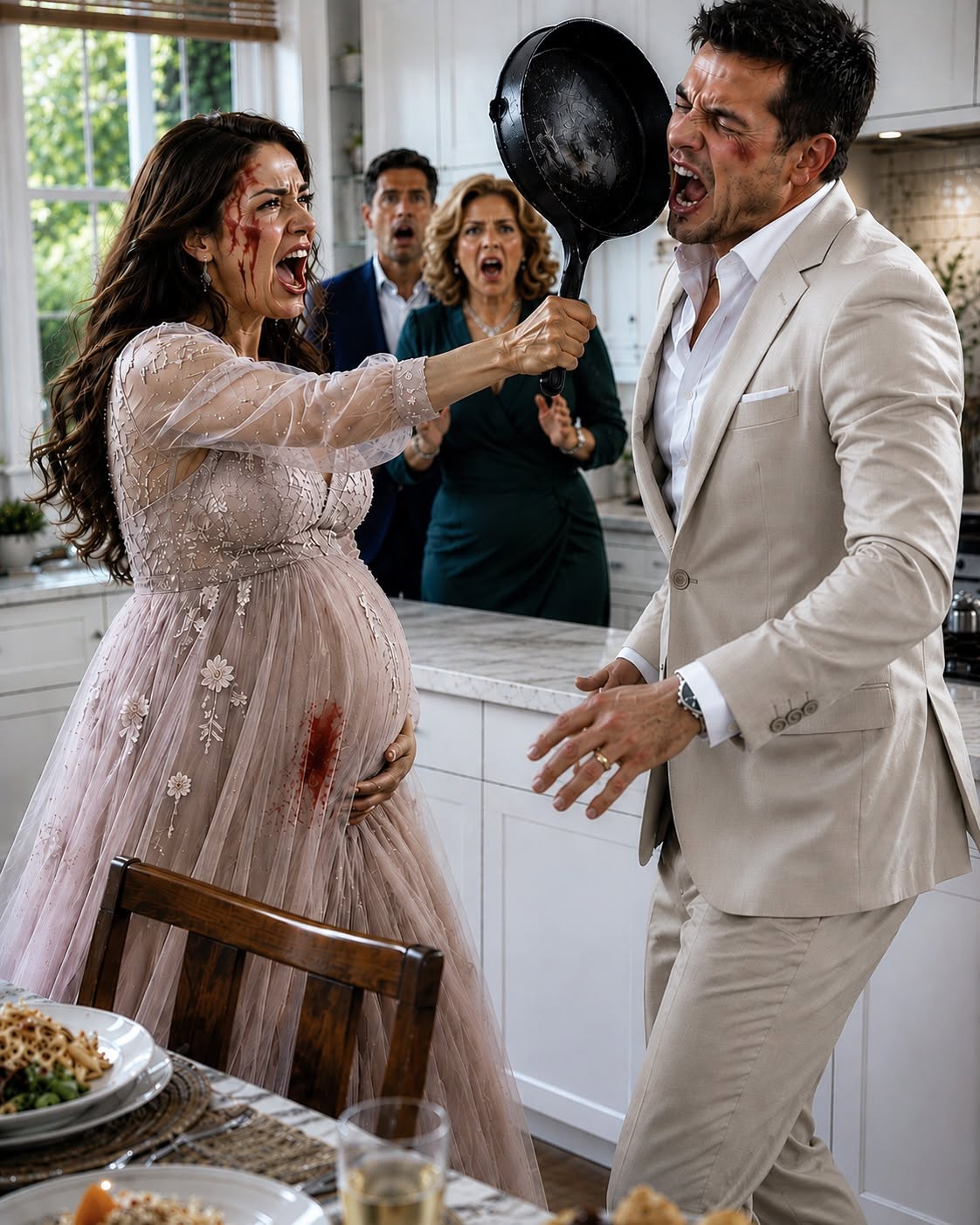
The rain hit my windshield in heavy, grey sheets as my Honda Civic roared out of the driveway. My hands were shaking so violently against the leather steering wheel that I could barely keep the car within the lane. Every bump in the road sent a sharp, agonizing twinge through my lower abdomen, a terrifying reminder of the fist that had struck me twenty minutes ago.
I needed an emergency ultrasound. I needed a non-stress test to verify fetal heart rate variability. But I could not go to St. Jude’s Memorial, where I worked. Corey knew every doctor on staff there, and Lorraine sat on the hospital’s donor board. The moment my name flashed on the triage board, the Whitman machine would lock down the building.
I drove forty miles west, across county lines, toward Memorial General in Northbrook—a county hospital where I knew no one, and more importantly, where no one knew the Whitmans.
I pulled into the ambulance bay at 9:02 PM, stepped out into the freezing storm, and staggered through the sliding glass doors of the Emergency Department.
The triage nurse, a tired woman in her fifties with grey hair, looked up from her computer screen. Her eyes widened the moment she saw me. I must have looked like an apparition: hair soaked with rain, coat half-zipped over an eight-month belly, blood dried on my chin from my split lip, and my hands shivering uncontrollably.
"Honey, what happened?" she asked, immediately standing up and rushing around the desk.
"I’m an ED nurse at St. Jude’s," I forced out, my voice cracking. "I’m thirty-two weeks pregnant. Abdominal trauma... domestic assault. I need an OB consult and an immediate ultrasound. Please."
The nurse’s demeanor shifted instantly from sympathy to cold, efficient clinical urgency. She grabbed a wheelchair, pushed me into a private trauma room, and shouted for the charge nurse.
Within five minutes, the room was filled with the familiar, rhythmic symphony of emergency medicine: the tear of Velcro as a blood pressure cuff was wrapped around my arm, the cold stick of EKG pads on my chest, and the high-pitched beep of a pulse oximeter on my finger.
Dr. Sarah Lin, the attending OB on call, walked into the room pushing a portable sonogram machine. She was a small woman with sharp, intelligent dark eyes and an authoritative aura.
"Valerie, I’m Dr. Lin," she said gently, squeezing my hand before squirting warm gel onto my lower abdomen. "We’re going to take a look at your baby right now. Breathe for me."
The cold probe touched my skin. I held my breath, turning my head away from the screen, unable to look. The terror that had been suppressed by adrenaline during my escape now broke over me in a tidal wave. What if he killed her? What if I was too late?
Then, a sound filled the room.
Thump-thump-thump-thump-thump.
Fast, steady, and clear. 148 beats per minute.
Tears spilled over my lashes, hot and fast, soaking into the paper sheet beneath my head.
"Fetal heart rate is strong," Dr. Lin said, her eyes scanning the monitor screen carefully. "Placenta is intact... wait. Let me adjust the gain."
Her forehead furrowed. The clinical silence in the room returned, suffocating and thick.
"What is it?" I asked, my nursing brain instantly analyzing her shift in posture. "Is there an abruption?"
"There is a small subchorionic hematoma forming near the lower border of the placenta," Dr. Lin said quietly, turning the screen toward me. "It’s consistent with blunt force trauma. It’s small right now, Valerie, but you are at extreme risk for placental abruption over the next forty-eight hours. You cannot stress your body. You cannot walk around. You need bed rest, continuous monitoring, and strict isolation."
Before I could answer, the door to the trauma bay swung open.
Two uniformed officers from the Northbrook Police Department walked in. The senior officer, a burly man with a mustache, pulled out a small notepad.
"Valerie Whitman?" he asked.
"Valerie Vane," I corrected automatically, using my maiden name for the first time in three years. "Yes."
"We received a broadcast from the County Sheriff’s office," the officer said, his tone neutral, professional, but guarded. "Your husband, Corey Whitman, is currently in the ICU at St. Jude’s with a fractured mandible, a severe concussion, and six lacerations requiring thirty stitches. His mother, Lorraine Whitman, has filed a report alleging you committed unprovoked aggravated assault with a deadly weapon before fleeing the scene."
A cold laugh escaped my throat—a bitter, hollow sound.
"Did they tell you why I hit him?" I asked, pulling down the hospital gown to reveal my bruised, swollen upper abdomen. A purple, hand-shaped contusion was already blooming across my skin. "Did my husband mention that he punched his eight-month-pregnant wife in the stomach while his mother cheered him on?"
The junior officer gasped softly, looking away. The senior officer’s eyes widened, his professional neutrality fracturing instantly.
"I am a registered nurse," I said, looking the officer straight in the eye. "I want a full forensic medical exam conducted right now. I want photos taken of these bruises, I want the ultrasound reports documented, and I want to press charges for attempted murder, domestic battery, and assault on an unborn child."
May you like


The officer looked at my bruised belly, then at the sonogram monitor still echoing with my daughter's heartbeats. He slowly capped his pen, closed his notebook, and looked at Dr. Lin.
"Doctor," the officer said softly. "Lock this door. We’re calling the Special Victims Unit."


